The Art of Drawing Photos: A Step-by-Step Guide
Posted on 11-10-2024 11:48 πμ
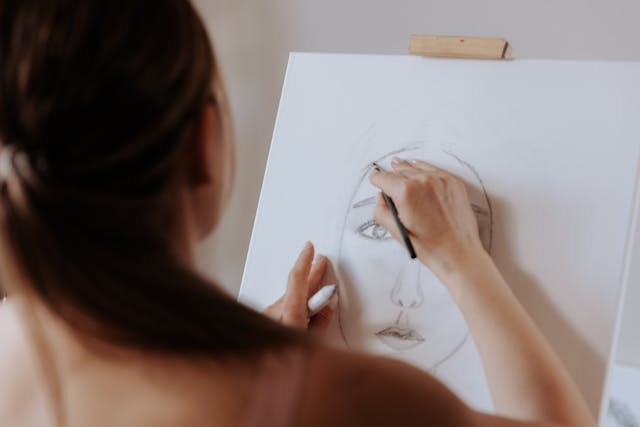
Are you ready to take your artistic skills to the next level? Drawing photos is a unique and challenging medium that can help you develop your creativity, fine motor skills, and attention to detail. In this step-by-step guide, we'll walk you through everything you need to know to create stunning drawings of photographs.
Introduction to Drawing Photos - Foto zeichnen lassen
Drawing a photo is not just about copying an image onto paper. It requires a deep understanding of light, shadow, perspective, and texture. To start drawing pictures, you must first learn how to observe and analyze the subject matter. Look for patterns, lines, shapes, and tones in the photograph. Use these elements as guidelines to create your drawing.
The Importance of Sketching
Sketching is an essential part of the drawing process. Before you begin your final drawing, spend some time sketching out the elemental composition on paper. This will help you get a feel for the proportions and layout of the image. Don't worry too much about accuracy at this stage; capturing the photograph's essence is more important.
Choosing the Right Tools and Materials
When choosing tools and materials for drawing photos, consider what effect you want to achieve. For example, use high-quality pencils or charcoal to create a detailed, realistic drawing. Try pastels or oil pastels if you prefer a softer, more blended look. You may also want to invest in a good set of erasers, sharpeners, and brushes to help you refine your work.
How to Create a Base for Your Drawing
Once your sketch is completed, it's time to create a base for your drawing. Start by selecting a mid-toned paper that complements the colors in the photograph. Using a soft lead pencil, lightly outline the main features of the picture, such as edges, lines, and shapes. Be careful not to press down too hard, which can cause smudging later.
Adding Depth and Detail to Your Drawing
Next, add depth and detail to your drawing using cross-hatching, blending, and layering techniques. Cross-hatching involves making minor diagonal marks across the paper's surface to create tone and texture. Blending uses a finger or tissue to smooth out harsh lines and create gradients of color. Layering involves building up layers of graphite or charcoal to create affluent, dark areas.
Final Touches and Refining Your Work
Finally, once you are satisfied with the overall composition of your drawing, it's time to add those all-important finishing touches. Use a sharp pencil or pen to make any necessary corrections or adjustments. Erase any unwanted lines or streaks, and then give your drawing a final dusting to remove any excess graphite or charcoal. With practice and perseverance, you'll soon be creating stunning drawings of photographs like a pro!
Master the Art of Drawing Photos with These Simple Tips
Drawing photos can be a challenging task, but it is also gratifying. With the proper techniques and materials, anyone can learn to draw stunning photorealistic images that will impress. In this blog post, we will cover everything you need to know to get started on your journey towards mastering the art of drawing photos.
Introduction to Drawing Photos - Bild zeichnen lassen
Drawing photos involves replicating images using various drawing tools such as pencils or charcoals. It requires a keen eye for detail, patience, and practice. The first step in learning how to draw photos is understanding the basic principles of perspective, proportion, and lighting. It would help if you also familiarized yourself with different types of paper and pencils, as they each have unique properties that affect the outcome of your work.
Materials Needed for Drawing Photos
When it comes to drawing photos, there are several essential materials you'll need to gather:
Paper: Choose high-quality paper explicitly made for drawing, such as Bristol board or drafting paper.
Pencils: Use graphite pencils ranging from HB to 6B in hardness. Soft pencils (2B or 4B) are great for creating smooth, blended areas, while harder pencils (HB or 2H) are better for detailed lines.
Eraser: A good eraser is crucial for correcting mistakes and cleaning up edges.
Sharpener: A sharp pencil lead is essential for achieving fine details, so bring a pencil sharpener.
Basic Techniques of Drawing Photos
Once you have all your supplies gathered, it's time to start practicing some basic techniques of drawing photos. Here are a few tips to get you started:
1. Start with rough sketches: Before diving into the details, create a rough outline of the photo you want to draw. This will help you establish the overall composition and proportions of the subject.
2. Use cross-hatching: Cross-hatching is a technique where you layer diagonal lines over one another to create depth and texture. Practice varying the pressure and direction of your strokes to achieve different effects.
3. Blend with a burnisher: A burnisher is a tool to smooth out paper graphite marks. By applying pressure and moving the burnisher back and forth, you can create subtle gradations of tone and shading.
Tips and Tricks for Better Results
There are many ways to improve your drawing skills, but here are a few tips and tricks that can help you achieve better results when drawing photos:
1. Study the original photo: Take the time to study the original photo before starting your drawing. Look closely at the shapes, textures, and tones to better understand what you're trying to capture.
2. Use reference photos: If you're struggling to capture some aspects of the photo, consider using reference photos to help guide your drawing. This can be especially helpful when dealing with complex subjects like faces or hands.
3. Work in layers: Building up your drawing in layers allows you to focus on specific areas without getting overwhelmed by the entire composition. Start with rough sketches and gradually refine your work until you reach the desired level of detail.
Practice Makes Perfect: Exercises to Improve Your Skills
The only way to become proficient at drawing photos is through consistent practice. Here are a few exercises you can do to improve your skills:
1. Copy other artists' works: Studying the techniques of other artists can give you valuable insights into their approach to drawing. Try copying some of their works to develop your style.
2. Draw from life: One of the best ways to hone your drawing skills is to draw from real-life objects. Set up still lifes or use models to practice capturing accurate representations of three-dimensional forms.
3. Challenge yourself: Don't be afraid to push yourself outside your comfort zone. Attempt more difficult compositions or new mediums to keep things exciting and engaging.
Conclusion: Final Thoughts on Mastering the Art of Drawing Photos
Learning how to draw photos takes time, effort, and dedication. But with these simple tips and techniques, anyone can begin their journey towards mastering the art of drawing pictures. Remember to stay patient, persistent, and curious; you'll be amazed at how far you can go!