From Beginner to Expert: How to Paint a Stunning Portrait
Posted on 11-10-2024 08:51 μμ
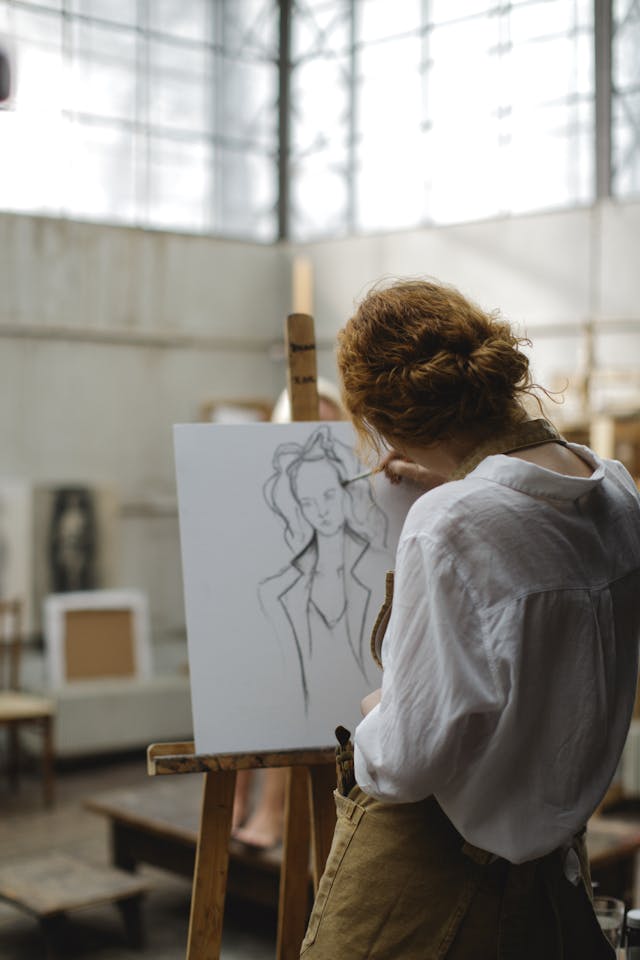
Have you ever wanted to capture the essence of someone's personality or likeness in a painting? Portrait painting can be intimidating, but anyone can create a stunning work of art with the proper guidance and techniques. In this blog post, we will cover everything from choosing the suitable materials and methods to bringing your subject to life with color. Let's get started!
Introduction to Portrait Painting - Bild malen lassen
Portrait painting is a type of art that captures the likeness or essence of a person. It has been around for centuries and has been used to immortalize famous figures throughout history. While portrait painting may initially seem daunting, it is a very accessible art form. With the right tools and techniques, anyone can create a beautiful portrait.
Choosing the Right Materials and Techniques
When it comes to portrait painting, there are many different materials and techniques that you can use. However, not all materials and methods are created equal. Here are some tips on how to choose the right ones for your needs:
Choose high-quality paints and brushes. Cheap supplies will often result in poor-quality paintings.
Consider using oil paints. Oil paints allow for more control and blending than other types of paints.
Practice different techniques before starting your actual painting. This will help you find what works best for you.
Understanding Lighting and Shadow
Lighting and shadow play a crucial role in creating realistic portraits. Understanding how light works and how to depict shadows accurately is essential if you want to make a lifelike portrait. Here are some tips on understanding lighting and shadow:
Study the way light falls on your subject. Look for areas where the light is brightest and darkest.
Use value scales to determine the correct values for each area of your painting.
Practice drawing shadows using various techniques until you feel comfortable with them.
Bringing Your Subject to Life with Color
Color is one of the most essential elements of any portrait painting. Using the wrong colors can make your painting look flat and uninspired. Here are some tips on using color effectively:
Start by mixing a range of skin tones using warm and cool colors. This will give you a good foundation for your painting.
Pay attention to the subtle variations in color on your subject's face. These minor differences can make a significant impact.
Don't be afraid to experiment with color. Try using unexpected combinations to add interest to your painting.
Conclusion
Portrait painting can be challenging, but anyone can become skilled at it with practice and dedication. By following these tips and practicing regularly, you, too, can create stunning portraits that capture the essence of your subjects.
Mastering the Art of Portraiture: A Guide to Painting Faces with Ease
Portrait painting is a timeless art form that has been practiced for centuries. From Rembrandt and Van Gogh to Picasso and Warhol, some of the most famous artists in history have created stunning portraits that continue to captivate us today. But while these masters may make it look easy, portrait painting can be challenging even for experienced artists. In this guide, we'll explore everything you need to know about painting faces with ease.
Introduction to Portraiture - Portrait malen lassen
Before diving into portrait painting techniques, let's define a portrait. A picture is a painted or sculpted representation of a person's face, usually depicting their likeness or character. Portrait painting aims to accurately represent someone and capture their essence, emotion, and personality.
The Art of Capturing the Essence of a Face
One of the critical elements of successful portrait painting is understanding how to capture the essence of a face. This requires more than just copying what you see; it involves observing your subjects closely and studying their features to identify their unique characteristics. Please pay attention to things like the shape of their eyes, nose, mouth, and jawline, as well as their skin tone and texture. You can better understand your subject's appearance and personality by focusing on these details.
Techniques for Painting Realistic Faces
Once you've gotten to know your subject, it's time to dive into the technical aspects of portrait painting. There are several techniques you can use to paint realistic faces, including:
Proportion: Understanding the proportions of the human head and face is essential when creating realistic portraits. Use grids and measurements to ensure all facial features are correctly sized and spaced.
Light and Shadow: Playing with light and shadow can add depth and dimension to your portraits. Learn how to manipulate shadows to create volume and highlights to accentuate certain areas of the face.
Blending: Blending colors smoothly can help create a natural look and feel to the face. Practice using brushstrokes that blend seamlessly into one another to avoid harsh lines and edges.
How to Create Depth and Dimension in Your Portraits
Finally, once you've mastered the basics of proportion, light, and shadow, it's time to focus on creating depth and dimension in your portraits. One way to do this is through the use of color temperature. Warm tones (reddish hues) suggest warmth and energy, while cooler tones (bluish hues) imply calmness and serenity. Experiment with different color combinations to find the best for your subject.
Another technique for adding depth and dimension is through the use of composition. Think carefully about where you place your subject within the frame and consider using negative space to draw the viewer's eye towards specific parts of the portrait. Finally, don't forget about the background - choosing the fitting backdrop can set the mood and tone for the entire piece.
In conclusion, portrait painting is both an art and a science. It takes practice, patience, and a willingness to learn and experiment. With these tips and techniques in mind, however, anyone can quickly become a skilled portrait painter and capture the beauty and complexity of the human face.