Drawing Your Family Together: How Art Can Strengthen Relationships
Posted on 02-10-2023 03:19 μμ
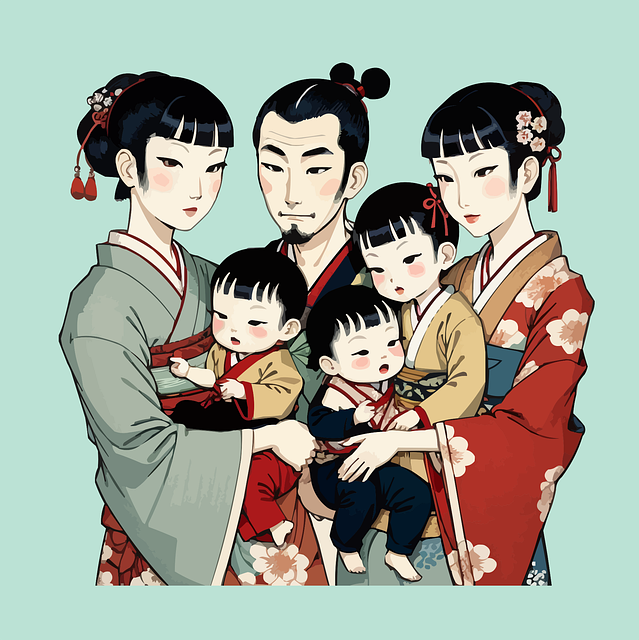
Introduction to Drawing Family Portraits
Family portraits are a beautiful way to capture memories and preserve the love between family members. They can be painted, drawn, or photographed, but removing them is an excellent activity to bring families closer together. This article will explore how drawing your family portrait can strengthen relationships and create lasting memories.
The Benefits of Drawing Together as a Family
Drawing together as a family has many benefits beyond just creating artwork. It encourages communication, teamwork, creativity, and problem-solving skills. It also provides quality time for parents and children to spend together, which can help build stronger bonds and improve overall well-being. Additionally, it allows each family member to express themselves in their unique style while working towards a common goal.
Familienportrait zeichnen lassen - How to Start
Gather materials such as paper, pencils, erasers, and markers. Choose a size and shape for your canvas, then sketch rough conditions for each person's head and body. Use reference photos to ensure accuracy when capturing each family member's likeness. Once you have a basic outline, add details like facial features, hair, clothing, and accessories. Don't forget to add personal touches that reflect each individual's personality and interests.
Tips for Capturing Each Family Member's Likeness
Pay attention to details like eye color, skin tone, hairstyle, and facial expressions to accurately capture each family member's likeness. You may need multiple reference photos from different angles to get everything right. Encourage everyone to pose naturally rather than forcing uncomfortable poses. Remember that the goal is not perfection but capturing each person's essence.
Incorporating Personal Details and Memories into Your Artwork
Adding personal details and memories to your artwork can make it even more special and meaningful. Consider incorporating things like favorite hobbies, vacation destinations, or inside jokes. You could also include objects or symbols representing important moments or milestones in your family's history. The possibilities are endless!
Conclusion: Bringing Families Closer Through Art
Drawing a family portrait is an excellent way to unite families through shared experiences and memories. It promotes communication, collaboration, and creativity while providing a tangible keepsake that can be cherished forever. So grab some supplies and get started on your next family project today!
From Pencil to Canvas: Tips for Drawing Beautiful Family Portraits
Introduction to Family Portraits:
Family portraits are a beautiful way of capturing and preserving memories for generations. They can be drawn or painted in various styles, from traditional pencil sketches to colorful oil paintings. A family portrait is not just an image but also a reflection of your family's personality, values, and traditions. It is a timeless piece that will stand the test of time and become a cherished heirloom.
Tips for Drawing Beautiful Family Portraits:
1. Start with accurate measurements - Measuring each family member accurately ensures their proportions are correct when placed together in the final composition.
2. Choose the suitable medium - The choice of medium depends on the desired style and effect. Pencils work well for detailed drawings, while oils create rich colors and textures.
3. Capture expressions and emotions - Each family member should look natural and comfortable in the portrait. Please encourage them to relax and show their personalities through facial expressions and body language.
4. Use light and shadow effectively - Lighting is crucial in creating depth and dimension in a drawing. Shadows contrast and define features like eyes, nose, and mouth.
5. Focus on details - Pay attention to small details such as hair texture, clothing folds, and skin tones. These elements make the difference between a good and a great portrait.
From Pencil to Canvas: The Process of Creating a Family Portrait:
The process of creating a family portrait involves several steps. First, you need to choose the size and format of the canvas or paper. Then, you can start sketching out rough ideas using pencil and paper. Once you have a basic outline, you can add more detail and refine the shapes. After that, it's time to apply color and shading to bring life to the portrait. Finally, you can add finishing touches before signing off on the masterpiece.
Displaying Your Family Portrait: Framing and Hanging Options:
A family portrait deserves a special place in your home where everyone can see it. You may consider framing options that complement the artwork's style and tone. For example, a classic wooden frame would suit a traditional pencil sketch, while a modern metal frame works well with contemporary paintings. Another option is to hang the portrait without a frame for a minimalist look. Whatever you decide, turn it at eye level so everyone can appreciate its beauty.
The Power of Preserving Family Memories Through Photography
Family portraits are more than just pictures. They are a way to preserve memories and capture moments that will last forever. A family portrait can be a powerful reminder of the love, connection, and bond between family members. It is an opportunity to create something beautiful and meaningful that you can look back on for years. In this blog post, we'll explore the importance of capturing family memories, tips for planning a successful family portrait shoot, choosing the right photographer for your family, creating an emotional connection with your family photos, displaying and preserving your family portraits, and incorporating family portraits into holiday traditions.
Importance of Capturing Family Memories:
Family portraits are important because they allow us to freeze time and hold onto precious moments. As children grow up and families change, it becomes even more essential to have these memories captured on camera. These portraits serve as a visual representation of our history and heritage, providing a sense of identity and belonging for future generations. By preserving these memories through photography, we can ensure our legacy lives on long after we're gone.
Tips for Planning a Successful Family Portrait Shoot:
Planning a successful family portrait shoot requires careful preparation and attention to detail. Here are some tips to help you get started:
1. Choose the right location - Select a place that reflects your family's personality and style. It could be at home or outside in nature. Just make sure it's comfortable and convenient for everyone involved.
2. Coordinate outfits - Choose coordinated but not matching outfits that complement each other. Stick to neutral colors and avoid bold patterns or logos.
3. Schedule the shoot during the best lighting conditions - Early morning or late afternoon is usually the best time for natural lighting.
4. Plan activities or poses beforehand - Have a few ideas for how you want to pose or what activities you want to do during the shoot. This helps to ensure that everyone feels relaxed and confident.
5. Bring props or accessories - Adding personal touches like favorite toys, hobbies, or pets can add fun and personality to your photos.
Choosing the Right Photographer for Your Family:
When selecting a photographer for your family portrait session, choosing someone with experience working with families and understanding the dynamics of different age groups is crucial. Look for a photographer with a style similar to yours and whose work resonates with you emotionally. Ask questions about their approach, pricing structure, and availability before booking them.
Creating an Emotional Connection with Your Family Photos:
One of the most significant benefits of having professional family portraits taken is the emotional connection they provide. When done correctly, these images evoke warmth, love, and nostalgia. To create an emotional connection with your family photos, consider the following:
1. Showcase authenticity - Capture real-life moments and expressions rather than forced smiles or unnatural poses.
2. Use lighting and composition strategically - Lighting and design play a critical role in evoking certain moods and emotions from viewers. Experiment with different techniques until you find one that works well for your family.
3. Tell a story - Each photo should tell a story and convey a message. Think about the narrative behind each image and use it to connect with your audience.
Displaying and Preserving Your Family Portraits:
Once you have your stunning family portraits, displaying them prominently in your home where everyone can see them is essential. You may also want to consider framing or creating albums to preserve them for future generations. Consider sharing your photos on social media or printing copies for grandparents and extended family members to enjoy.
Incorporating Family Portraits into Holiday Traditions:
Family portraits make excellent gifts for loved ones during the holidays. Consider using them as Christmas cards or framed prints to hang on walls. You might also want to create a tradition of taking a new family portrait every year around the holidays to document how much your family has grown and changed.
Conclusion:
Preserving family memories through photography is a valuable investment that pays off now and in the future. With thoughtful planning, careful selection of a photographer, and creative expression, your family portraits can become treasured heirlooms that bring joy and comfort to generations to come.