Capture Your Likeness Forever with a Custom Portrait Painting
Posted on 02-10-2023 03:11 μμ
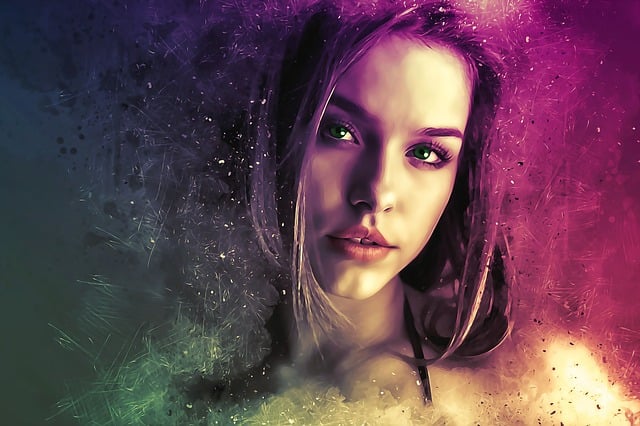
As the world becomes more digital, it's easy to forget traditional art forms. However, one form of art that has stood the test of time is portrait painting. A custom portrait painting can capture your likeness forever and be passed down as a family heirloom for generations.
The Art of Portrait Painting - Portrait malen lassen
Portrait painting dates back centuries and was once reserved only for royalty and the wealthy elite. Today, anyone can have a custom portrait painted at an affordable price. The process involves capturing your unique features and personality in a work of art that will last forever.
Why You Should Have a Custom Portrait Painted
You might want to have a custom portrait painted for many reasons. Perhaps you wish to commemorate a special occasion such as a wedding or anniversary. Or maybe you want to capture your likeness while still young and vibrant. Whatever your reason, a custom portrait painting makes a beautiful addition to any home and provides a timeless reminder of your legacy.
Choosing the Right Style for Your Portrait
When choosing a style for your portrait, there are several options available. Oil paintings are famous because they offer rich colors and depth. Watercolor portraits are delicate and translucent, creating a soft and ethereal effect. Pastel portraits are colorful and lively, adding a touch of whimsy to your home decor.
Capturing Your Likeness in Oil, Watercolor, or Pastel
To create a true-to-life representation of yourself, it's essential to choose an experienced artist who understands how to capture your likeness. During the initial consultation, the artist will take measurements and photographs of you from various angles. They may also ask you to pose in specific ways to ensure accuracy. Once the artist begins working on your portrait, they will use their skill and expertise to bring out your best qualities and create stunning artwork.
How to Find and Hire an Expert Portrait Artist
Finding an expert portrait artist can seem daunting, but with some research, you can find someone who meets your needs. Start by looking online for artists in your area who specialize in portraiture. Review previous clients' reviews and review their portfolios to get a sense of their style and technique. When you contact potential candidates, discuss pricing, turnaround times, and what kind of input you'll have throughout the creative process.
Displaying Your Custom Portrait at Home
Once your custom portrait is complete, you'll want to display it prominently in your home. Consider hanging it in a prominent location, such as above the fireplace or in a hallway where everyone can see it. If you prefer a more understated approach, consider placing it in a quiet corner of your living room or bedroom. No matter where you decide to hang it, your custom portrait will add a touch of class and sophistication to your home.
From Sketch to Masterpiece: The Beauty of Portrait Painting
Portrait painting is a timeless art form that has captivated people for centuries. Whether it's the Mona Lisa or the portraits of famous historical figures, portrait paintings have always had an air of sophistication and elegance about them. In this blog post, we will explore the beauty of portrait painting and how you can create your masterpiece.
The Art of Capturing the Human Face
One of the most challenging aspects of portrait painting is capturing the human face accurately. It takes skill, patience, and practice to capture every nuance of the human face, from the shape of the nose to the curve of the lips. To achieve realism in your portrait painting, start by studying the subject's features closely and making sketches to get familiar with their facial structure. Then, use techniques like shading and highlighting to give depth and dimension to the face.
Tips for Creating Realistic and Lifelike Portraits
To create lifelike portraits, pay attention to detail and focus on accuracy. Start using reference photos to ensure you capture the subject's likeness correctly. Use high-quality materials such as oil paints or acrylics, which allow you to blend colors smoothly and create subtle tones. Also, don't forget to take breaks regularly to avoid fatigue and maintain fresh eyes throughout the process.
Choosing the Right Colors for Your Custom Portrait
When choosing colors for your custom portrait, consider the subject's skin tone and choose hues that complement their complexion. Warm tones work well for darker skin, while cool tones are ideal for fair skin. Avoid using bright, bold colors unless they fit within the context of the overall composition. Instead, opt for muted tones that add depth and richness to the painting.
How to Create a Dramatic Background for Your Portrait
A dramatic background can enhance the impact of your portrait painting. Consider using warm or cool tones depending on the mood you want to convey. For example, deep reds and oranges evoke passion and intensity, while blues and greens may suggest calmness and serenity. Experiment with different textures and patterns to add visual interest without distracting from the main subject.
Final Touches: Adding Details that Bring Your Masterpiece to Life
In the final stages of your portrait painting, focus on adding details that bring your masterpiece to life. Pay close attention to the eyes, which should spark vitality and emotion. Add finishing touches like hair strands, clothing folds, and jewelry to complete the look. Take a step back occasionally to assess the progress and make any necessary adjustments before signing off on your masterpiece.
Conclusion
Portrait painting is not just about creating a physical representation of someone but also capturing their essence and personality. With these tips, you, too, can create stunning portrait paintings that showcase the beauty of the human face. So grab your brushes and canvas and let your creativity flow.
Understanding Light and Shadow in Portrait Painting
Light is one of the most essential elements in portrait painting. It creates depth, dimension, and drama in your artwork. Understanding how light works will help you create realistic and lifelike portraits. The first step is to study the direction and intensity of the light source. You can use different types of lights, such as natural or artificial light. Once you have identified the light source, you should observe how it affects the subject's face. Look for areas that are highlighted and those that are shadowed. Use this information to create contrast and balance in your portrait.
Creating Realistic Skin Tones with Light and Shadow
Skin tones are complex, and capturing them accurately can be challenging. However, by using light and shadow, you can create realistic skin tones. Start by observing the color and texture of the skin. Identify areas where there are shadows and highlights. Use warm colors like red and yellow to create highlights, while more excellent colors like blue and green can be used for shading. Remember to blend the colors smoothly to avoid harsh lines. You will learn to mix the right colors to achieve natural-looking skin tones with practice.
Capturing the Essence of a Sitter with Light and Shadow
The essence of a sitter lies in their facial expressions, body language, and personality. By using light and shadow, you can capture these nuances and bring out the unique character traits of your subject. Observe the way light falls on the face and emphasize certain features. Highlight the areas to draw attention to, and use shadows to create depth and dimension. Experiment with different light sources to see how they affect the mood and atmosphere of the portrait.
Mastering Depth and Dimension with Light and Shadow
Depth and dimension are essential for creating three-dimensional artworks. By using light and shadow, you can create an illusion of space and volume. Start by establishing the focal point of the portrait, usually the eyes. Then, use highlights to indicate areas that protrude from the surface, while shadows show recessions. Blending techniques are crucial when working with light and shadow. Avoid hard edges and use gradual transitions between light and dark areas. With practice, you will master the technique of creating depth and dimension with light and shadow.